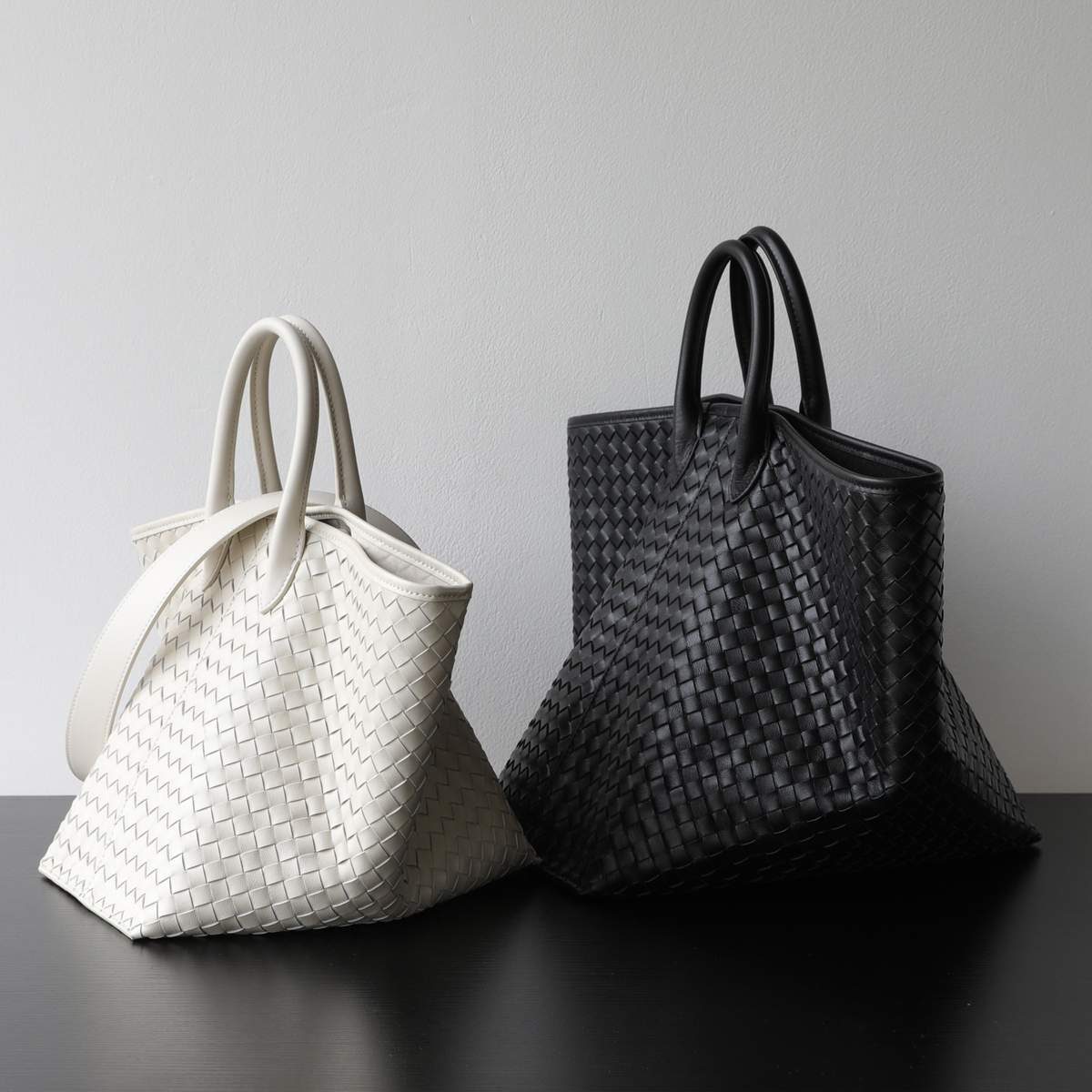
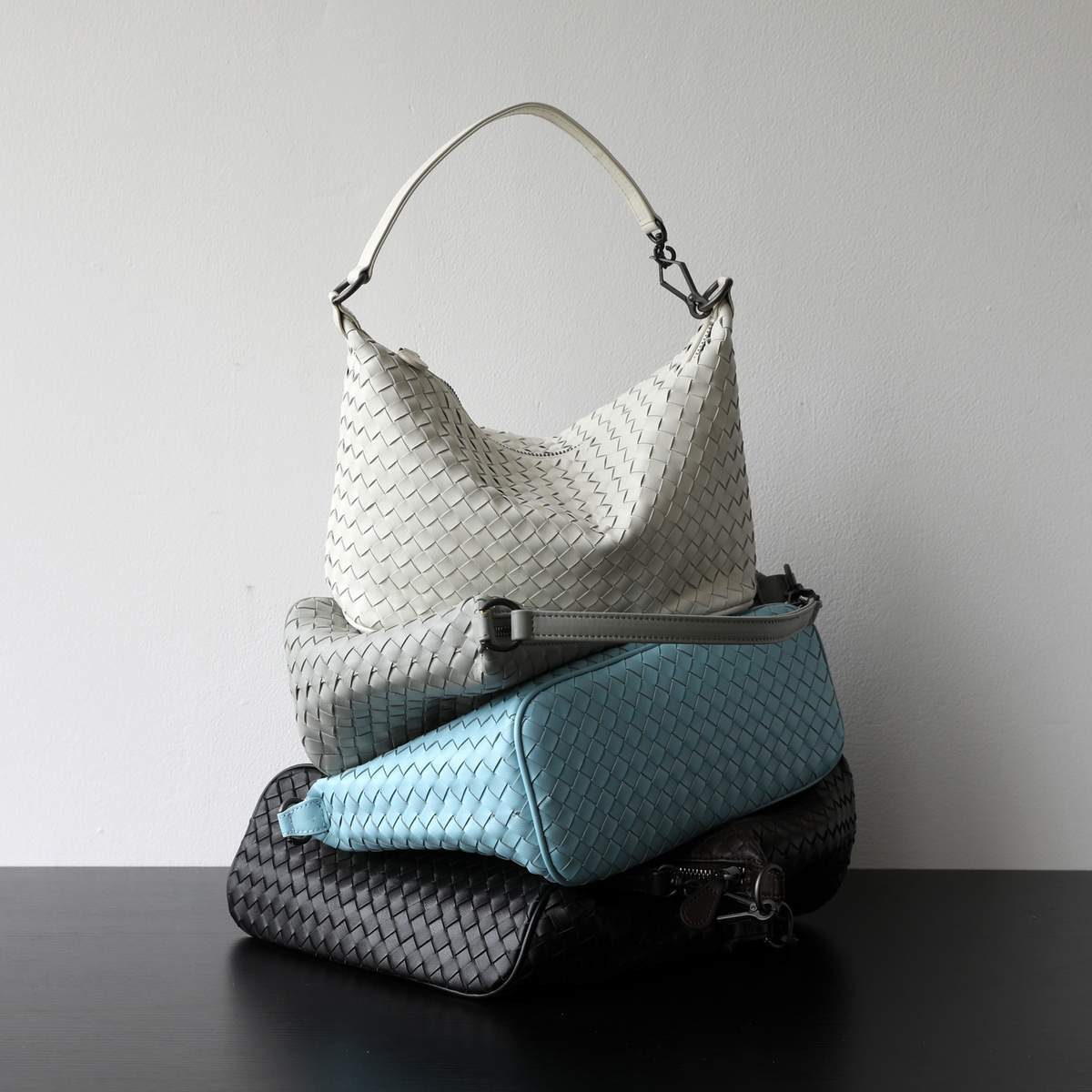
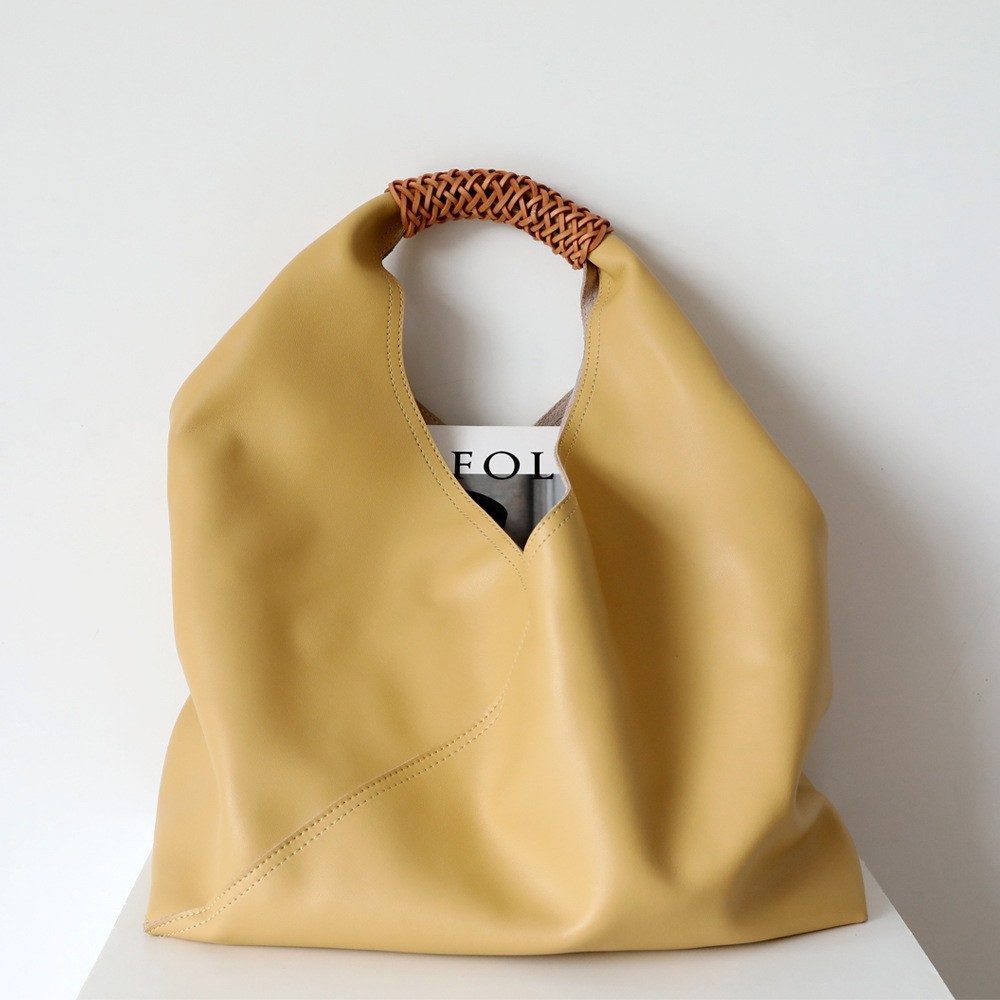
A premium leather bag is an investment — one that can last decades with proper care. Yet many women are unsure of how to maintain their leather bags, often resorting to methods that cause more harm than good. This complete leather bag care guide covers everything you need to know: from daily maintenance and cleaning to conditioning, storage, and professional restoration. With the right routine, your leather bags will look beautiful and last for generations.
Understanding Your Leather Type
Before diving into care routines, it is essential to understand what type of leather your bag is made from. Different leathers require different approaches.
Full-Grain and Top-Grain Leather
These are the most durable and forgiving leather types. They can handle regular use, develop a patina, and respond well to conditioning. Most of our leather tote bags and shoulder bags are crafted from full-grain leather.
Suede and Nubuck
These materials have a soft, napped finish that is more susceptible to water and stains. They require specialized cleaning products and extra caution. Avoid conditioning oils, which can darken and mat the surface.
Patent Leather
Patent leather has a glossy, lacquered finish. It is relatively low maintenance — a simple wipe with a soft cloth is usually sufficient. Avoid contact with other leather items, as the coating can transfer color.
For a deeper understanding of leather types, read our genuine leather vs vegan leather guide.
Daily Maintenance Routine
The foundation of leather bag care is consistent daily maintenance. These simple habits will significantly extend the life of your bag:
- Empty your bag daily: Remove all contents at the end of each day to prevent stretching and maintain the bag's shape.
- Wipe with a soft cloth: Gently wipe the exterior with a dry, soft microfiber cloth to remove dust and surface dirt.
- Avoid overloading: Carrying excessive weight strains straps, seams, and the bag's structure. Stick to essentials.
- Rotate your bags: Give each bag rest days to allow the leather to recover and breathe. Alternating between two or three bags extends all of their lifespans.
- Keep hands clean: Natural oils from your skin can transfer to the leather, causing darkening over time. Be mindful when handling light-colored bags.
Cleaning Your Leather Bag
Regular cleaning removes dirt and oils before they can penetrate and damage the leather. Here is how to clean your leather bag properly:
Step 1: Surface Cleaning
Begin by emptying the bag completely. Use a soft-bristled brush or a dry microfiber cloth to gently remove loose dust and dirt from the exterior and interior. Pay special attention to seams and crevices where dirt accumulates.
Step 2: Damp Wipe
Dampen a soft cloth with distilled water — never tap water, which can leave mineral deposits. Wring it out thoroughly so it is barely damp, then gently wipe the leather in circular motions. Avoid soaking the leather, as excess water can cause staining and warping.
Step 3: Soap Cleaning (For Stubborn Dirt)
For more stubborn marks, use a dedicated leather cleaner or a mild, pH-neutral soap diluted in water. Apply a small amount to a soft cloth and gently work it into the affected area. Never apply cleaner directly to the leather. Wipe away any residue with a clean, damp cloth.
Always test any cleaning product on an inconspicuous area of the bag first — such as the bottom or an interior flap — to ensure it does not discolor or damage the leather.
Step 4: Drying
Allow the bag to air dry naturally in a well-ventilated area, away from direct sunlight and heat sources. Never use a hair dryer, radiator, or direct heat, as this can cause the leather to crack and shrink. Stuff the bag with acid-free tissue paper or a clean cotton cloth to help it maintain its shape while drying.
Conditioning Leather
Leather is a natural material that contains oils. Over time, these oils deplete, causing the leather to become dry, stiff, and prone to cracking. Conditioning replenishes these oils, keeping the leather supple and vibrant.
How Often Should You Condition?
As a general rule, condition your leather bag every three to six months. Bags used daily or exposed to dry climates may need more frequent conditioning, while occasional-use bags need less. Always observe the leather — if it looks dry or feels stiff, it is time to condition.
How to Condition Your Leather Bag
- Clean the bag thoroughly following the steps above and allow it to dry completely.
- Apply a small amount of leather conditioner to a soft, clean cloth — not directly to the bag.
- Work the conditioner into the leather using gentle, circular motions, covering the entire surface evenly.
- Pay extra attention to areas that experience more wear, such as handles and corners.
- Allow the conditioner to absorb for 15–20 minutes.
- Buff the surface with a clean, dry cloth to remove excess conditioner and restore shine.
Choose a conditioner appropriate for your leather type. For full-grain leather, a natural beeswax or neatsfoot oil-based conditioner works well. Avoid silicone-based products, which can clog leather pores and cause long-term damage.
Proper Storage
How you store your leather bags when not in use is just as important as how you care for them during use. Improper storage can lead to permanent deformation, mold, and fading.
Storage Best Practices
- Stuff the bag: Fill the interior with acid-free tissue paper, bubble wrap, or a dedicated bag insert to maintain shape. Avoid newspaper, as the ink can transfer.
- Use a dust bag: Store your bag in the dust bag it came with, or a breathable cotton pillowcase. Never store leather in plastic, which traps moisture and promotes mold.
- Store upright: Keep bags standing upright on a shelf rather than hanging, which can stretch the straps over time.
- Climate control: Store in a cool, dry place with moderate humidity (around 45–55%). Avoid attics, basements, and areas near heat sources.
- Avoid crowding: Give each bag enough space so it is not crushed or pressed against other items.
Protecting Your Leather Bag
Prevention is the best form of leather bag care. Taking proactive steps to protect your bag will reduce the need for cleaning and repair:
Water Protection
Leather and water are not friends. Apply a leather water repellent spray before first use and reapply every few months. If your bag gets wet, pat it dry immediately with a soft cloth and allow it to air dry naturally — never use heat.
Sun Protection
Prolonged sun exposure fades and dries leather. Avoid leaving your bag in direct sunlight for extended periods, such as on a car dashboard or near a sunny window. When storing, keep bags in shaded or covered areas.
Color Transfer Prevention
Dark denim and heavily dyed fabrics can transfer color to light leather. Be cautious when wearing light-colored bags against dark clothing. If color transfer occurs, address it promptly with a leather cleaner.
Handling Common Leather Bag Problems
Scratches and Scuffs
Minor scratches can often be buffed out by gently rubbing the area with your finger — the natural oils in your skin can help blend the scratch. For deeper scuffs, use a leather conditioner or a specialized leather repair balm matching the bag's color.
Water Stains
If water spots appear, dampen the entire area evenly with a barely damp cloth to blend the edges, then allow it to dry naturally. This helps the water stain blend into the surrounding leather.
Ink and Dye Stains
Ink stains are notoriously difficult to remove from leather. Attempt removal with a dedicated leather ink remover, working quickly and gently. For stubborn stains, consult a professional leather cleaner rather than risking further damage.
Mold and Mildew
If you notice mold, take the bag outdoors and brush away the spores with a soft brush. Clean the affected area with a mixture of equal parts water and rubbing alcohol, then condition thoroughly once dry. Address the storage environment to prevent recurrence.
When to Seek Professional Help
Some issues are best left to professionals. Consider professional leather repair and restoration for:
- Torn or ripped leather
- Broken hardware (zippers, clasps, buckles)
- Severe water damage or staining
- Extensive mold or mildew damage
- Structural issues like collapsed bases or detached straps
A professional leather restorer can often work miracles, bringing a damaged bag back to life for a fraction of the replacement cost. Many premium brands, including JINMAN, offer repair services or can recommend trusted partners.
Conclusion
Proper leather bag care is not complicated, but it does require consistency and the right techniques. By incorporating daily maintenance, regular cleaning, periodic conditioning, and proper storage into your routine, you can ensure your leather bags remain beautiful and functional for years — even decades. Remember that leather is a natural material that ages gracefully with care. Each mark and patina tells the story of your life's adventures, making a well-cared-for leather bag not just an accessory, but a personal heirloom.
Ready to invest in a bag worth caring for? Explore our collection of premium leather handbags, and learn more about choosing the right one in our leather tote bag guide. For styling inspiration, visit our guide on how to style a shoulder bag.