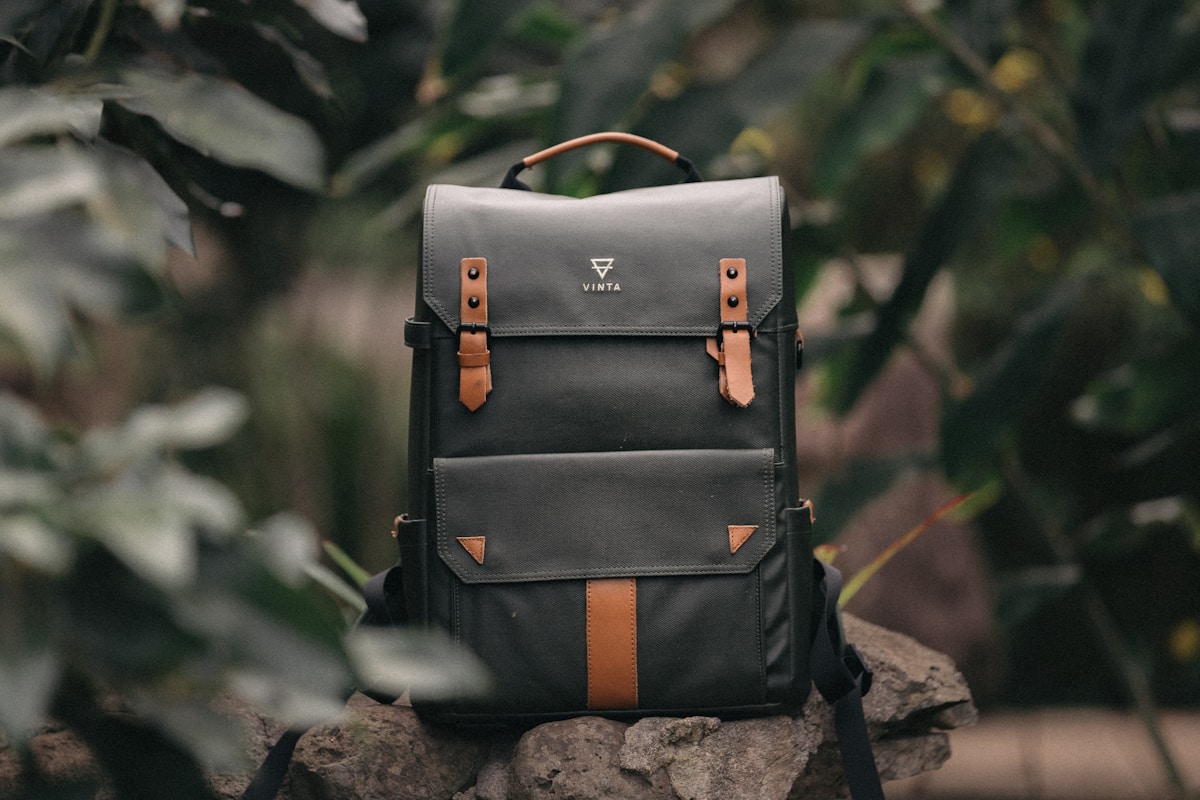
When shopping for a new handbag, one of the first decisions you will face is choosing between genuine leather and vegan leather. Both materials have their devoted followers, and each offers distinct advantages. The debate over genuine leather vs vegan leather is not simply about which is "better" — it is about which is right for your values, lifestyle, and budget. In this comprehensive guide, we break down the key differences to help you make an informed choice.
What Is Genuine Leather?
Genuine leather is made from animal hides, primarily cowhide, sheepskin, and lambskin. The hides undergo a tanning process that preserves them and transforms them into a durable, flexible material. The highest grades — full-grain and top-grain leather — are prized for their natural beauty, strength, and ability to develop a rich patina over time.
At JINMAN, our Elegant Leather Tote in Camel is crafted from premium full-grain leather, representing the gold standard in genuine leather quality.
Types of Genuine Leather
- Full-grain leather: The highest quality, retaining the natural grain. Extremely durable and develops a beautiful patina.
- Top-grain leather: Sanded and buffed for a uniform look. Still high quality but more affordable than full-grain.
- Genuine leather (split leather): A lower grade made from the underside of the hide. Less durable and prone to wear.
- Bonded leather: Made from leather scraps bonded together. The lowest quality and least durable option.
What Is Vegan Leather?
Vegan leather is a synthetic material designed to mimic the look and feel of genuine leather without using animal products. The most common types include polyurethane (PU) and polyvinyl chloride (PVC), though newer plant-based alternatives — made from apple peels, pineapple leaves, mushroom mycelium, and cactus — are gaining popularity.
Types of Vegan Leather
- PU leather: The most common vegan leather. Softer and more breathable than PVC, with a leather-like texture.
- PVC leather: More durable and water-resistant but less breathable and less environmentally friendly.
- Plant-based leather: Innovative materials made from agricultural byproducts. Still emerging but promising for sustainability.
- Recycled leather: Made from reconstituted leather fibers, offering a middle ground between genuine and synthetic.
Durability Comparison
When it comes to longevity, genuine leather — particularly full-grain — is the clear winner. A well-maintained genuine leather bag can last decades, developing character and richness with age. The natural fibers in genuine leather are incredibly strong and resistant to tearing, stretching, and puncturing.
Vegan leather, while improving steadily, typically has a shorter lifespan. PU leather generally lasts two to five years before showing signs of cracking, peeling, or fading. However, high-quality vegan leather can be surprisingly durable for everyday use, and its water resistance can be an advantage in wet climates.
On average, a premium genuine leather bag lasts 5 to 10 times longer than a vegan leather alternative, making it a better long-term investment despite the higher upfront cost.
Sustainability and Environmental Impact
The sustainability question is more nuanced than it might first appear. Both materials have environmental trade-offs:
Genuine Leather Environmental Impact
- Pros: Biodegradable over time, a byproduct of the meat industry (reducing waste), exceptionally long-lasting (reducing consumption).
- Cons: Tanning processes can use harsh chemicals (chrome tanning), cattle farming contributes to greenhouse gas emissions, and water usage is significant.
Vegan Leather Environmental Impact
- Pros: No animal products involved, plant-based alternatives are increasingly sustainable, and some types are recyclable.
- Cons: PU and PVC are petroleum-based plastics that do not biodegrade, manufacturing releases toxins, and shorter lifespan means more frequent replacement.
For those prioritizing environmental responsibility, look for genuine leather that is vegetable-tanned (a chemical-free process) or plant-based vegan leather. Learn more in our guide to sustainable leather bags.
Aesthetics and Feel
Genuine leather has a distinctive, natural texture that is difficult to replicate. Each hide is unique, with subtle variations in grain, color, and markings that give genuine leather its character. The material breathes, softens with use, and develops a patina — a warm, aged glow that enhances its beauty over time.
Vegan leather offers a more uniform appearance, which can be an advantage if you prefer a consistent, flawless look. Modern vegan leather has improved dramatically in mimicking the texture and feel of genuine leather, though it lacks the natural warmth and breathing capability of the real thing.
Cost Comparison
Vegan leather is generally more affordable than genuine leather, making it an attractive option for budget-conscious shoppers. However, when evaluating cost, consider the lifespan of the product:
- Vegan leather bag: $50–$200, lasting 2–5 years
- Genuine leather bag: $150–$800+, lasting 10–30+ years
When calculated as cost per year of use, genuine leather often represents better value. A $300 leather tote that lasts 15 years costs $20 per year, while a $80 vegan leather bag replaced every 3 years costs $27 per year.
Maintenance Requirements
Genuine leather requires regular care to maintain its appearance and extend its lifespan. This includes periodic conditioning, protection from excessive moisture, and proper storage. While this requires effort, many leather enthusiasts find the care ritual rewarding. For detailed instructions, see our leather bag care guide.
Vegan leather is generally lower maintenance. It can be wiped clean with a damp cloth, does not require conditioning, and is more resistant to water and stains. For busy individuals who want a no-fuss bag, vegan leather offers convenience.
Ethical Considerations
For many consumers, the choice between genuine and vegan leather comes down to ethics. Vegan leather avoids the use of animal products entirely, aligning with cruelty-free and vegan lifestyles. Genuine leather, while a byproduct of the food industry, still involves animal use.
It is worth noting that the ethical picture extends beyond animal welfare. The workers in tanneries and synthetic material factories face health risks from chemicals, and the environmental impact of both industries affects communities worldwide. Choosing products from brands with transparent, ethical supply chains — like JINMAN — ensures your purchase supports responsible practices.
Which Should You Choose?
There is no universally correct answer. Your choice depends on your priorities:
Choose Genuine Leather If You:
- Want a bag that lasts decades and develops character with age
- Value natural materials and traditional craftsmanship
- Are willing to invest time in maintenance and care
- Prefer the feel, breathability, and aesthetics of real leather
Choose Vegan Leather If You:
- Follow a vegan or cruelty-free lifestyle
- Prefer a lower-maintenance, water-resistant material
- Want an affordable option for trend-driven pieces
- Are interested in innovative, plant-based materials
Whatever you choose, the most important factor is selecting a well-made bag from a reputable brand. Explore our full collection of premium handbags to find the perfect match for your style and values. For more guidance on choosing the right bag, read our leather tote bag guide.
Conclusion
The genuine leather vs vegan leather debate ultimately comes down to balancing durability, sustainability, ethics, cost, and personal style. Both materials have their place in modern fashion, and the best choice is the one that aligns with your values and lifestyle. At JINMAN, we are committed to transparency and quality, offering carefully crafted bags that meet the highest standards — whatever material you choose.